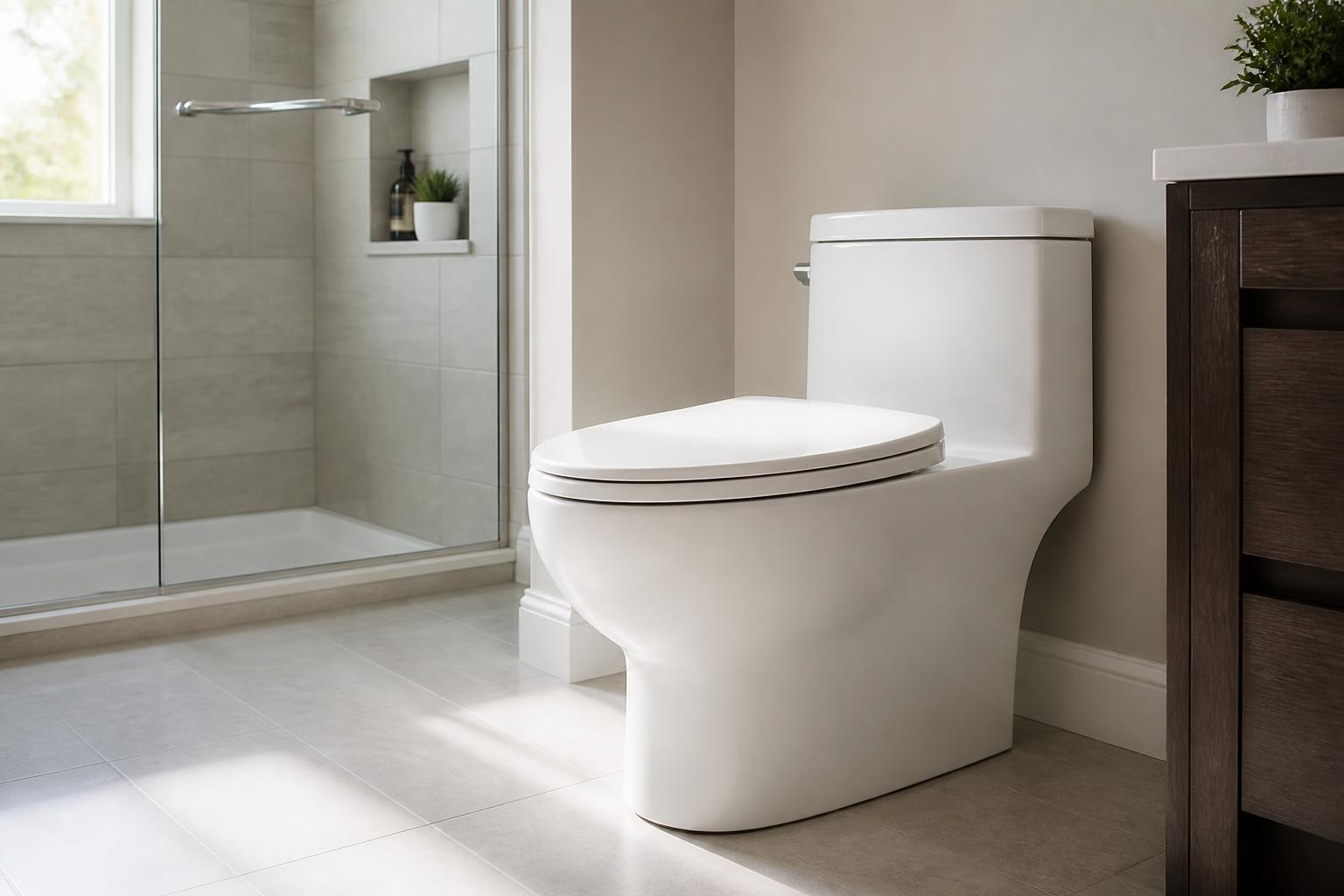
A toilet that keeps running, rocks at the base, or refuses to flush can throw off the whole house fast. Small toilet problems often start with a drip, a weak refill, or a handle that feels loose, then turn into water waste, odors, or a bathroom that is harder to use every day.
If your toilet is making unusual sounds, needs repeated plunging, or leaves water around the floor, it is time to have it checked. Plumbing San Diego & Drain Cleaning Pros handles toilet repair for San Diego, CA homeowners who want the problem found quickly and fixed with care.
Toilet trouble does not always look dramatic at first. Some issues stay quiet for a while, then become much more noticeable once the parts inside the tank wear down or the bowl cannot clear waste the way it should.
Plumbing San Diego & Drain Cleaning Pros looks at the whole toilet, not just the symptom you can see. That helps us narrow down whether the issue is inside the tank, at the flush components, or where the toilet connects to the floor.
Toilet repair starts with finding the source of the problem. A noisy tank and a wet floor can come from different causes, so a careful look saves time and avoids replacing parts that are still usable.
We check the flapper, fill valve, float, and chain to see whether the toilet is wasting water or failing to refill the right way.
We test the handle and internal lift mechanism to confirm the flush is starting and ending as it should.
We look at how the bowl clears during a flush, which can reveal weak flow or a hidden obstruction.
We inspect for leaks around the water supply line, shutoff area, and toilet base.
If the toilet shifts when used, we check whether the set is loose or the seal needs attention.
Once we find the cause, we explain the next step clearly so you know what needs repair and why.
A toilet that runs for minutes after a flush is not just annoying. It can waste water all day and make a bathroom sound like something is always happening behind the wall. The good news is that many running toilet problems come down to a few worn parts.
Inside the tank, the flapper, fill valve, or float may not be sealing or shutting off at the right time. When that happens, water keeps moving and the tank keeps trying to reset itself.
If the chain is too tight, too loose, or tangled, the flapper may not close cleanly after each flush. That can cause the toilet to keep sending water into the bowl.
When the tank refills unevenly or stops at the wrong level, the toilet may sound off or fail to flush with enough force. Adjustments and part replacement can restore normal operation.
We check these components as part of toilet repair for San Diego, CA homes so the toilet stops wasting water and starts behaving like it should.
Water around a toilet should never be ignored. Even a small puddle can spread under flooring, stain the surface, or make the bathroom unpleasant to use. Not every leak comes from the same place, so identifying the source matters.
Water near the bottom of the toilet may point to the seal where the toilet meets the floor. If that seal is compromised, the toilet can shift slightly and let water escape.
Cracks, loose connections, or worn tank parts can send water outside the tank or into the bowl when it should stay contained.
The line that brings water to the toilet can drip at the connection point or along the fitting. That can create a damp floor without making the toilet appear visibly damaged at first.
Because leaks can look alike from the outside, it helps to have the toilet inspected before the moisture spreads further.
Some toilets clog once and then return to normal. Others keep slowing down, leaving standing water, or needing repeated plunging. When that happens, the toilet may have more than a simple blockage.
Here are a few signs that the problem may be tied to the toilet itself:
We can look at whether the issue comes from the flush parts, the bowl opening, or a connection further down the line. That matters because a toilet that clogs often may need repair, not just another quick plunge.
Toilet repair often involves replacing worn parts rather than changing the whole fixture. When the right part is swapped out, the toilet can often return to normal without extra disruption.
Plumbing San Diego & Drain Cleaning Pros replaces only what the toilet actually needs, which keeps the repair focused and practical.
When you call about toilet repair, we start by asking what the toilet is doing and when the trouble began. That helps us arrive with a clear idea of what to inspect first.
You describe the running, leaking, clogging, or flushing issue so we can narrow the likely causes.
We check the tank, bowl, base, and supply connection to find the source.
We outline what needs attention before any work starts.
We repair or replace the needed parts and test the toilet after the work is done.
We make sure the flush, refill, and seal are acting the way they should.
Our goal is to leave you with a toilet that feels predictable again, not one that needs guesswork every time someone uses it.
Toilet repair needs can show up anywhere a bathroom gets daily use. Whether the toilet is in a busy household, a guest bath, or a hall bathroom that sees occasional use, the symptoms still deserve attention when they start repeating.
We serve San Diego, CA and nearby areas including Chula Vista, El Cajon, La Mesa, Santee, National City, Lemon Grove, Poway, and Coronado. If you are dealing with a toilet issue and want a local plumber to take a look, Plumbing San Diego & Drain Cleaning Pros is ready to help.
That usually means one of the tank parts is not sealing or shutting off at the right time. A worn flapper, bad fill valve, or chain issue can keep water moving after the flush ends.
Moisture at the base can point to a failed seal, a loose toilet, or another connection problem. It should be checked soon so the leak does not spread.
Repeated clogs can mean the toilet is not clearing waste with enough force, or the bowl opening has a partial blockage. Repair can help identify whether the toilet itself is the issue.
A weak flush can come from tank parts, low tank refill, or wear inside the toilet. The exact cause matters because each one needs a different fix.
Yes. A toilet that shifts or rocks may need attention at the floor connection or seal. That kind of movement can also contribute to leaks.
If the toilet is noisy, slow, leaking, or clogging while other fixtures are fine, the issue may be isolated to the toilet itself. A careful inspection can separate the toilet problem from the rest of the plumbing.